Specializing in
Architectural History and Conservation Consulting
Specializing in
Architectural History and Conservation Consulting
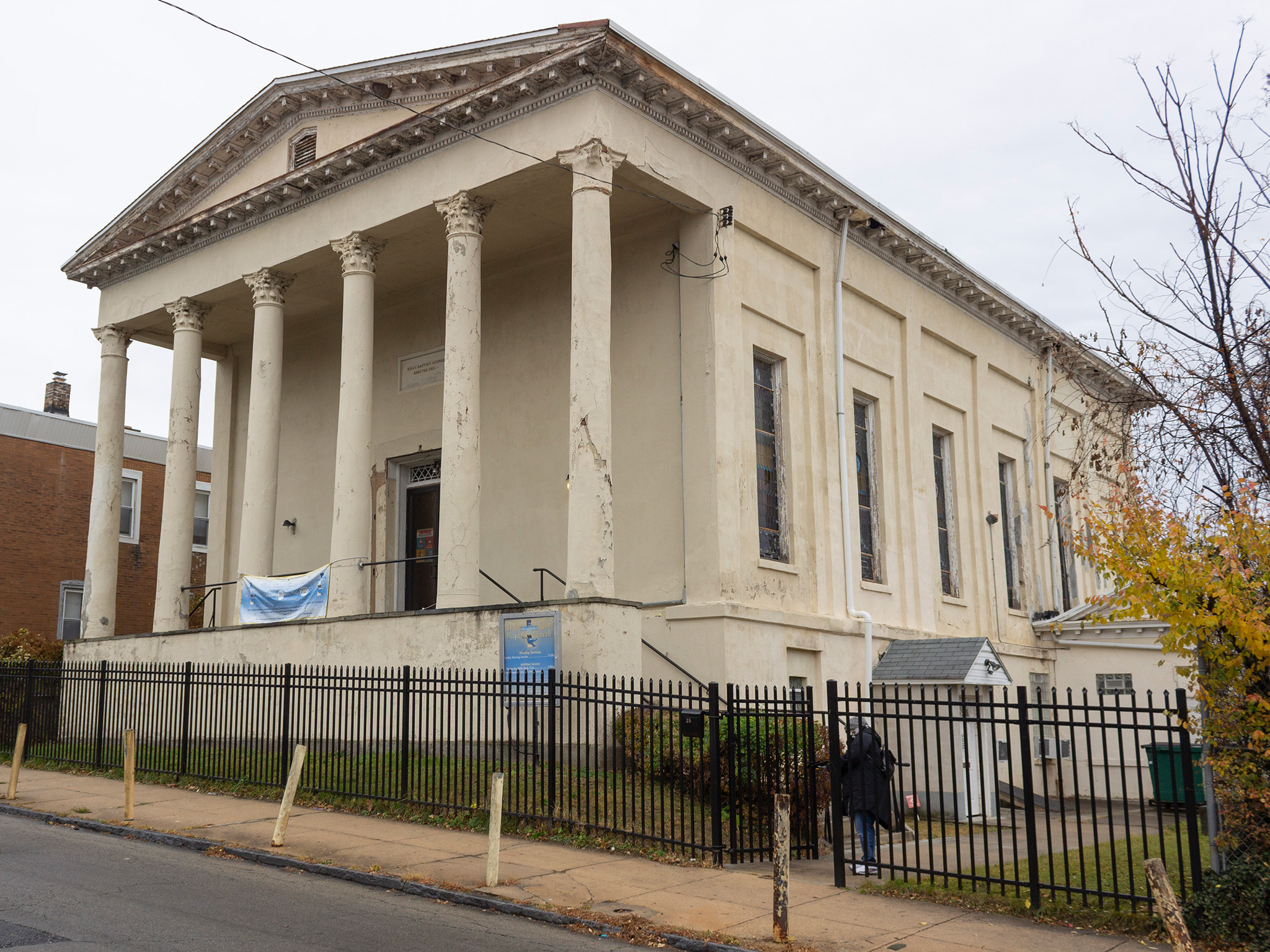
First Baptist Church of Germantown, known today as Polite Temple, is a Greek Revival building in Philadelphia's historic Germantown neighborhood designed and built in 1852 by noted Philadelphia architect and builder Samuel Sloan. Sloan published the design for the building in the second volume of his seminal work The Model Architect, and used it as a template for at least five more churches, of which only two remain with only First Baptist remaining largely unmodified. The stately Corinthian columns on the church's portico contain some of the earliest architectural terracotta used in the United States, produced by Massachusetts-based manufacturer Tolman, Luther, and Co. The original congregation shuttered in 1954 and the following year a growing local African American congregation purchased the building, renaming it Polite Temple after the founding pastor Rev. Collins N. Polite. The Polite Temple congregation continues to use the building for worship and community service to this day. The building was documented by the Historic American Building Survey (HABS) in 1972 and was listed on the National Register of Historic Places in 2023.
Archway Preservation wrote the National Register Nomination for the structure, successfully getting the building listed in 2023, and has also been a continuing part of ongoing preservation planning at the site.
Photo Credit: Project Photo
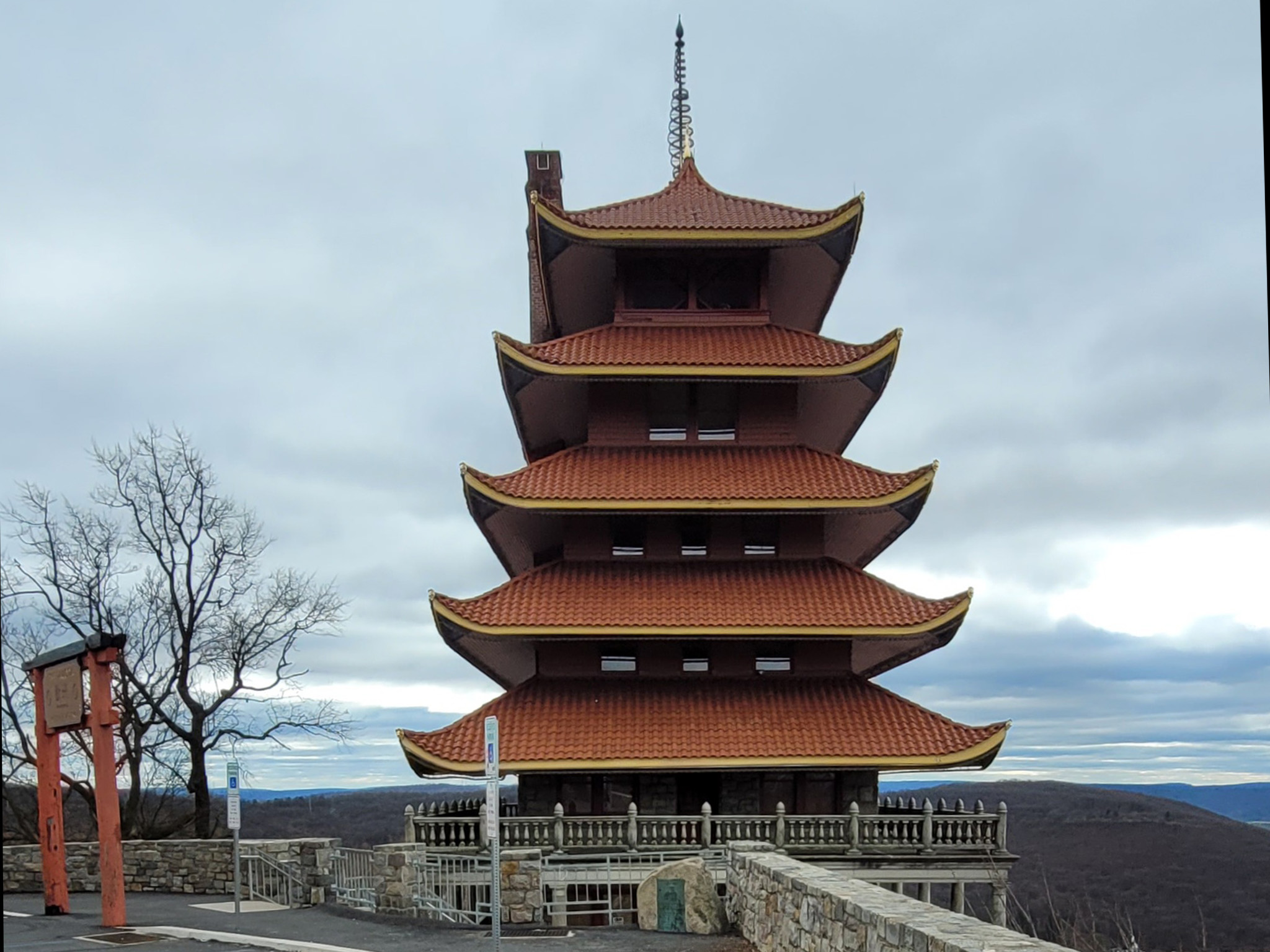
The Pagoda was built in 1908 by local Reading entrepreneur William Abbot Witman Sr. as part of a oriental-styled resort constructed to cover the scar from a quarry enterprise that had met with intense local criticism due to how it defaced the mountain side overlooking the city of Reading. Witman chose the style for the structure after seeing a postcard of the Philippines brought by his friend Charles C. Matz, a recently returned veteran of the Spanish-American War. Witman had hoped to use the Pagoda as a luxury hotel, but immediately faced difficulties when the inaccessible site and failure to obtain a liquor license resulted in the resort never actually opening. In 1910, Farmer's National Bank foreclosed on the property. The former director of the bank and local merchant Jonathan Mould purchased the site to help save the bank from taking a loss on the difficult property. Soon after in 1911, he and his wife presented the Pagoda and surrounding land to the City of Reading. Reading established a public park known as the Mount Penn Reserve and spend the next 20 years adding improvements to the property, including a series of large scale infrastructure projects undertaken in the 1930s by the Works Progress Administration and Civilian Conservation Corp to provide accessibility to the site. With the US entry against Japan in World War II, widespread anti-Japanese sentiment led to calls to demolish the Pagoda. While the structure survived, it fell into a period of neglect with its wooden balconies becoming dangerously rotted. In 1949, Reading allocated over $45,000 to replace the decayed wooded balconies and columns with new ones made of concrete and Indiana limestone. In the 2020s, the interior of the Pagoda was closed due to inadequate modern safety features. Today, the City of Reading is undertaking a restoration and retrofit of the Pagoda with the hopes of once again opening the structure to the public.
Archway Preservation personnel performed a masonry assessment of the Pagoda, including testing multiple mortar samples from each of the levels to develop recommendations for exterior masonry restoration and preservation.
Photo Credit: Project photo
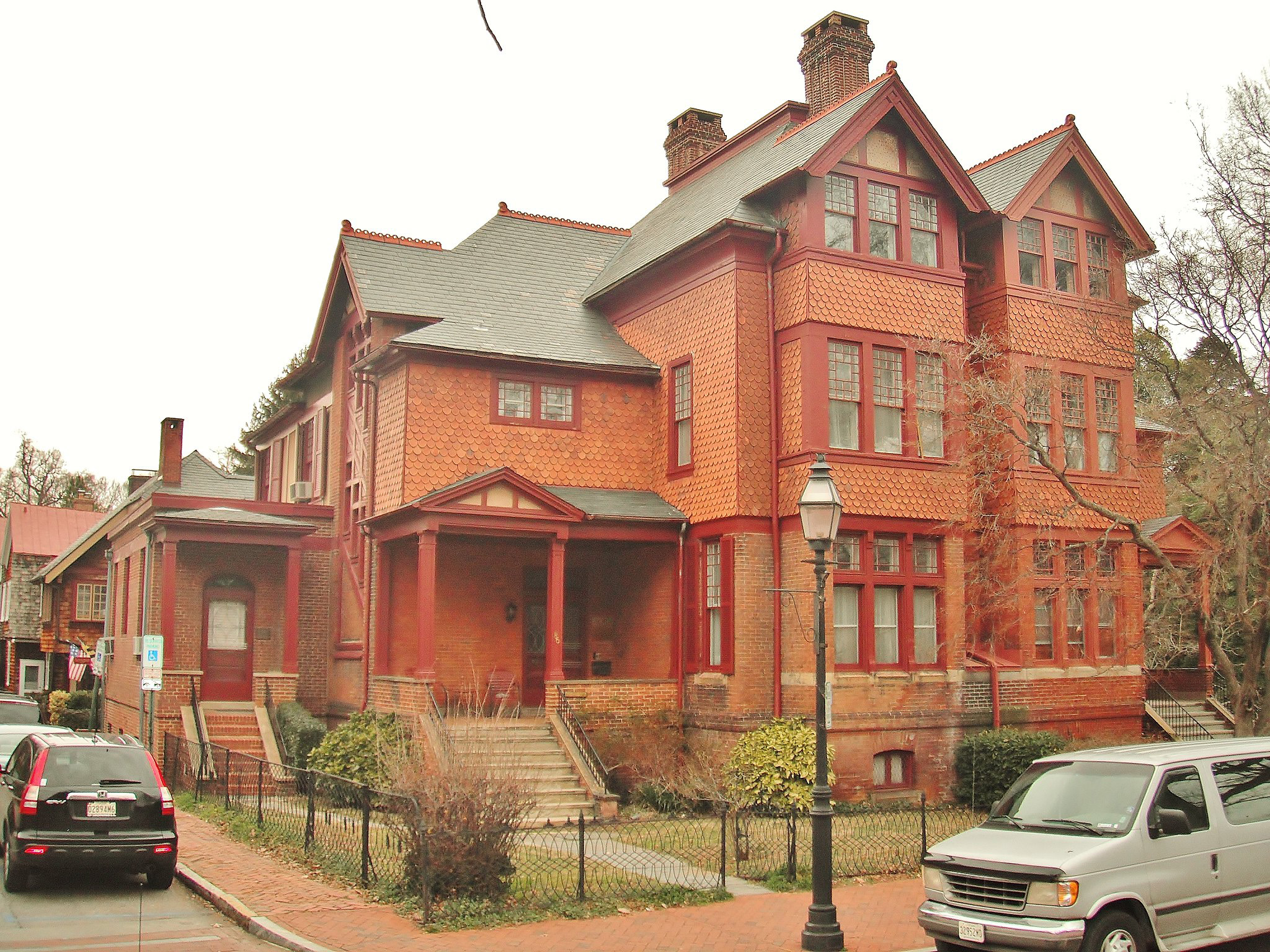
The Alexander Randall Double House is a British Domestic Revival twin built in 1878 and heavily influenced by the patterns of Scottish architect Richard Norman Shaw. With its contrasting black mortar, nautical ornamentation, and orange-red details, the house is a stand out in the Colonial Annapolis National Historic District in close proximity to the Maryland Statehouse. Though built for prominent lawyer Alexander Randall, it was Alexander's son John Randall who was the primary resident and driving force behind the house's design as part of his "City Circle" area improvement initiative. John intentionally chose an anglo-inspired design calling to mind the fashionable twin houses of Philadelphia modified with fish scale tiles and shells embedded in the gable stucco to celebrate the diversity of life in the Chesapeake.
Archway Preservation personnel tested site materials to develop a historically appropriate replica mortar used in the restoration of this iconic Annapolis residence.
Photo Credit: "Alexander Randall Duplex House" ©2012 Doug Copeland. All Rights Reserved. Used with permission. https://flic.kr/p/bwmjYv
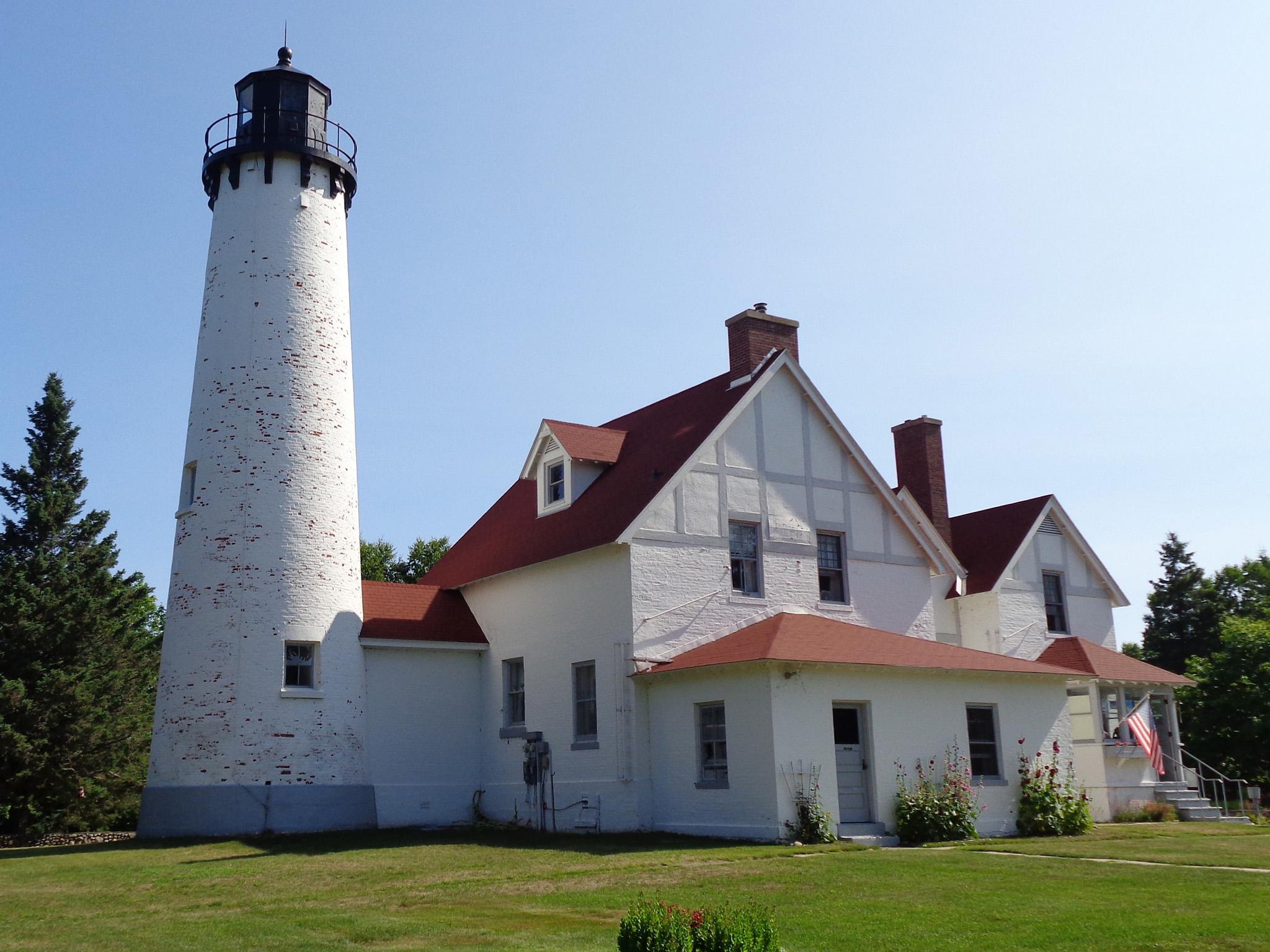
Built in 1870, the Point Iroquois Lighthouse replaced an older 1855 lighthouse marking the entrance to the busy St. Mary’s River from Lake Superior. The 65-foot-tall brick tower topped by a fourth order Fresnel lens was an important guidepost for ships entering the narrow channel. By 1965, the lighthouse had become obsolete thanks to the installation of an automatic lighted buoy in the channel. Upon decommissioning, the historic lighthouse was turned over to the care of the newly created Hiawatha National Forest. Listed on the National Register of Historic Places in 1975, the lighthouse continues to function today as a tourist site, museum, and monument.
Archway Preservation personnel assisted the National Forest Service in planning the masonry restoration of the exterior of the tower and a historic 1930s rock wall ringing the site.
Photo Credit: Project Photo
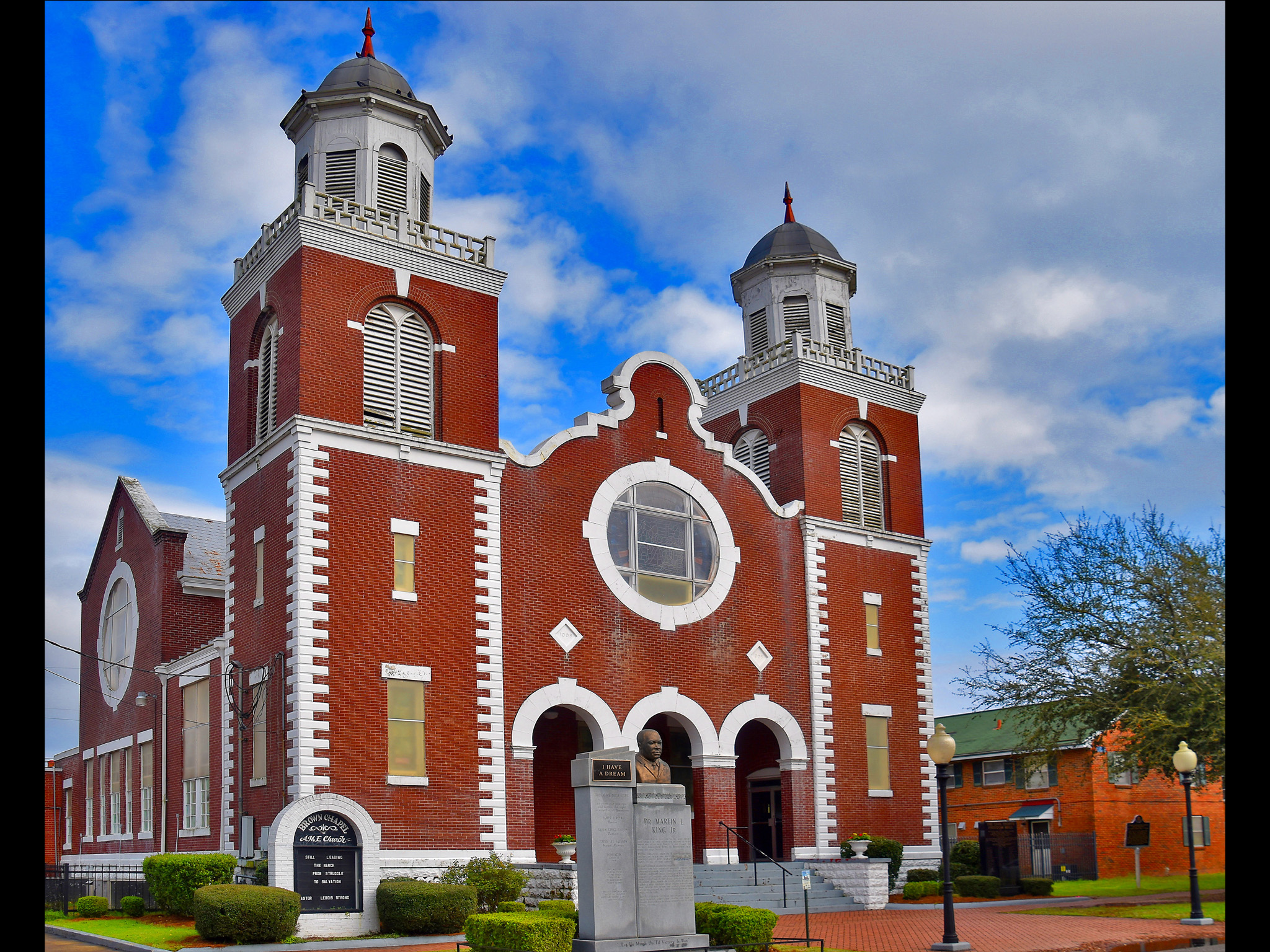
Constructed in 1908 by Beloit, Alabama builder A.J. Farley, Brown Chapel is perhaps most recognized for its role in the fight for civil rights during the mid-20th century. The church acted as the headquarters for the Southern Christian Leadership Conference (SCLC), one of the most important civil rights activist organizations of the 1960s whose leaders included Martin Luther King Jr. The actions organized here by the SCLC in 1964 and 1965, including the “Bloody Sunday” march to Montgomery on March 7, 1965, contributed to the Voting Rights Act of 1965, a landmark piece of federal legislation designed to protect the voting rights of racial minorities in the United States. The building was declared a National Historic Landmark in 1982 and added to the National Register of Historic Places.
Archway Preservation personnel assisted in analyzing mortar and recommending historically appropriate replacement material for ongoing preservation work at the site.
Photo Credit: "Brown Chapel A.M.E. Church 410 Martin Luther King St, Selma (AL) March 2019," 2019, Ron Cogswell. Used under CC BY 2.0. https://flic.kr/p/2g6UDJB
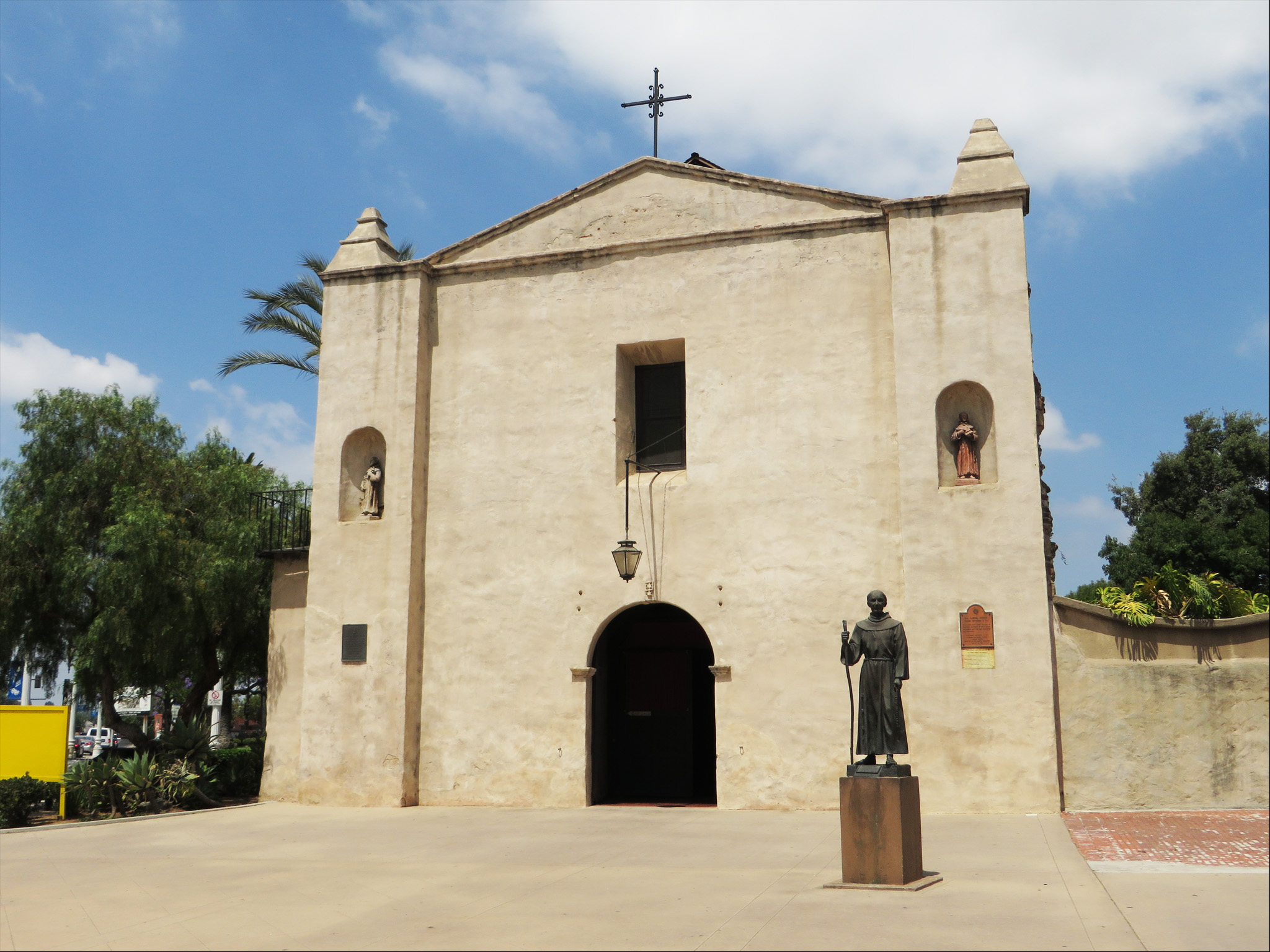
Founded in September 1771 by Catholic Friars Ángel Fernández de la Somera and Pedro Benito Cambón, the Mission San Gabriel Arcángel was the fourth mission established in California by the Spanish Empire. The current mission building was constructed between 1791 and 1805 out of adobe with architectural elements inspired by the Cathedral of Cordoba in Spain. In 1812, a large earthquake destroyed the original belltowers with the present ones reconstructed in 1828. In 1834, the church was sold to settle debts but returned to the Catholic Church in 1859. Considered to be one of the grandest missions at its peak in 1829, the San Gabriel Mission today is a site of multiple values. While it was crucial to establishing what became the greater Los Angeles area and remains venerated by Catholics, the site is also seen as representing a troubled past of colonialism as much of it was built and worked by Tongva and other native peoples who were often coerced into converting to Catholicism and experienced harsh, sometimes brutal, working conditions. In 2020, an arsonist set fire to the building, destroying the roof and gutting the building. Restoration work followed, with the mission reopening in 2023.
Archway Preservation personnel investigated the exterior stucco of the mission and contributed recommendations for its restoration following the 2020 fire.
Photo Credit: "Mission San Gabriel, San Gabriel, California" 2014, Ken Lund. Used under CC BY-SA 2.0. https://flic.kr/p/o6t8hG
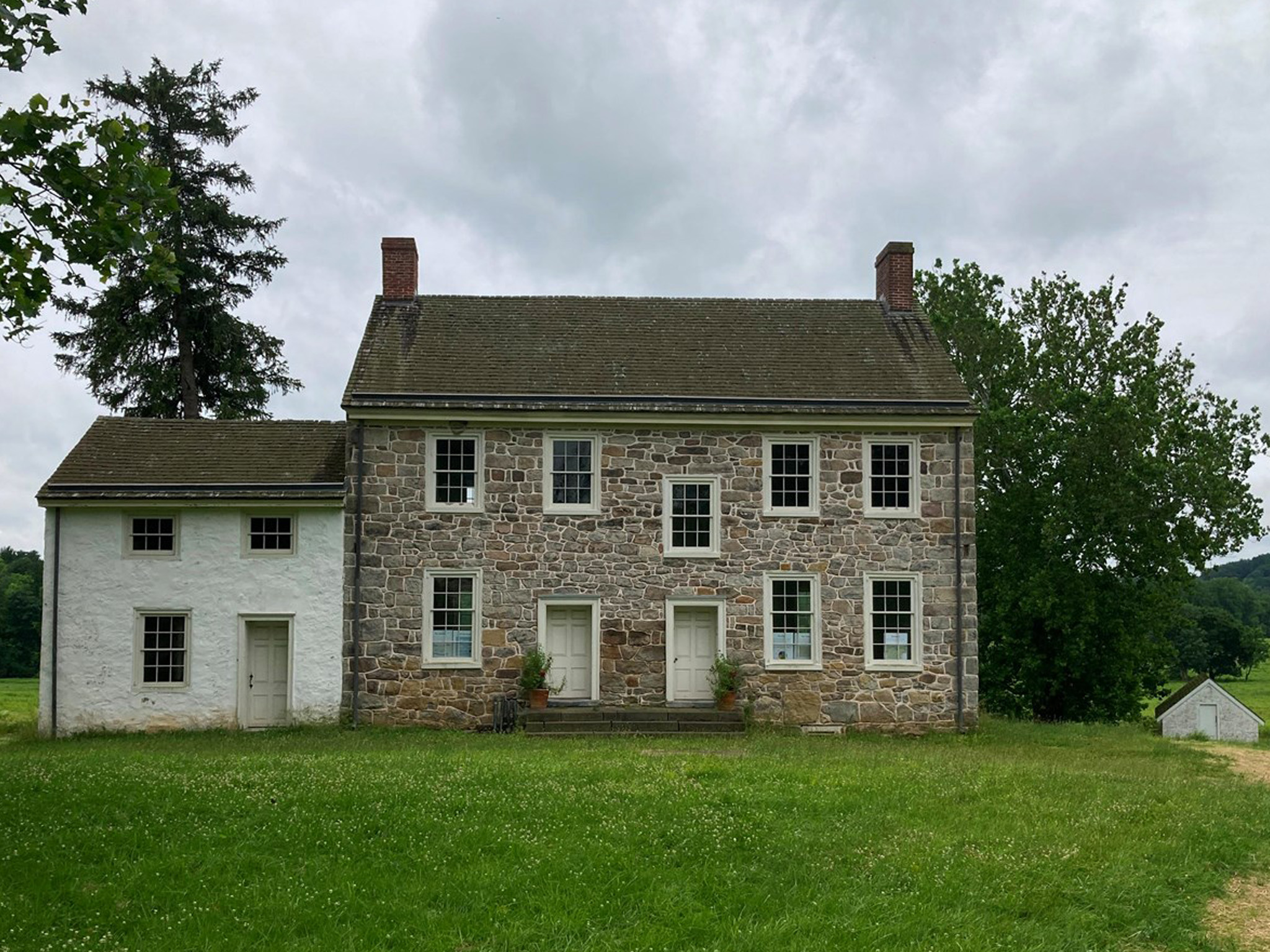
The Maurice Stephens House is a 2-1/2 story stone house facing south towards what was once the Grand Parade of George Washington's Valley Forge Encampment during the American Revolution. Though the structure itself does not date to the Revolution, it sits on or near the site of a log cabin that served as General Huntingdon's headquarters in 1777 during Washington's Encampment. The house was built in 1816 for Maurice Stephens, a minor agricultural landholder who lived in the house only a short time before dying in 1827. In 1825, Stephens sold the house and a succession of owners followed adding and removing additions and porches, and modifying openings including adding a series of dormers to the roof. In 1919, the State of Pennsylvania took control of the property as part of the establishment of the new Valley Forge State Park. Initially the property served as a shepherd’s dwelling for the park shepherd who managed the 115 sheep kept to manage grass growth in the park. In 1943-1944, the house was again renovated to use as the administrative building for park officials. In 1976, the State gifted the park to the National Park Service in celebration of the US Bicentennial. The NPS initially used the house as a seasonal men's dorm, before adapting it in the 1980s to become a nature center and visitor contact station with park offices in the upper story. Today, the house is used for storage but in 2022 the Valley Forge Park Alliance announced plans to reactivate and renovate the house for use as a visitor relief station with a cafe, accessible restrooms, and other conveniences.
Archway Preservation personnel performed a survey of the structure's many mortar campaigns, testing several samples to develop recommendations for the use of appropriate repair materials. The project that included the Maurice Stephens house also included several other buildings in the Valley Forge National Historical Park including the Bird House, Stirling's Barn, Horse Shoe Trail West, and the Waggonseller Barn.
Photo Credit: "Maurice Stephens House," G. Purifoy/NPS Photo. Public Domain.https://www.nps.gov/places/maurice-stephens-house.htm
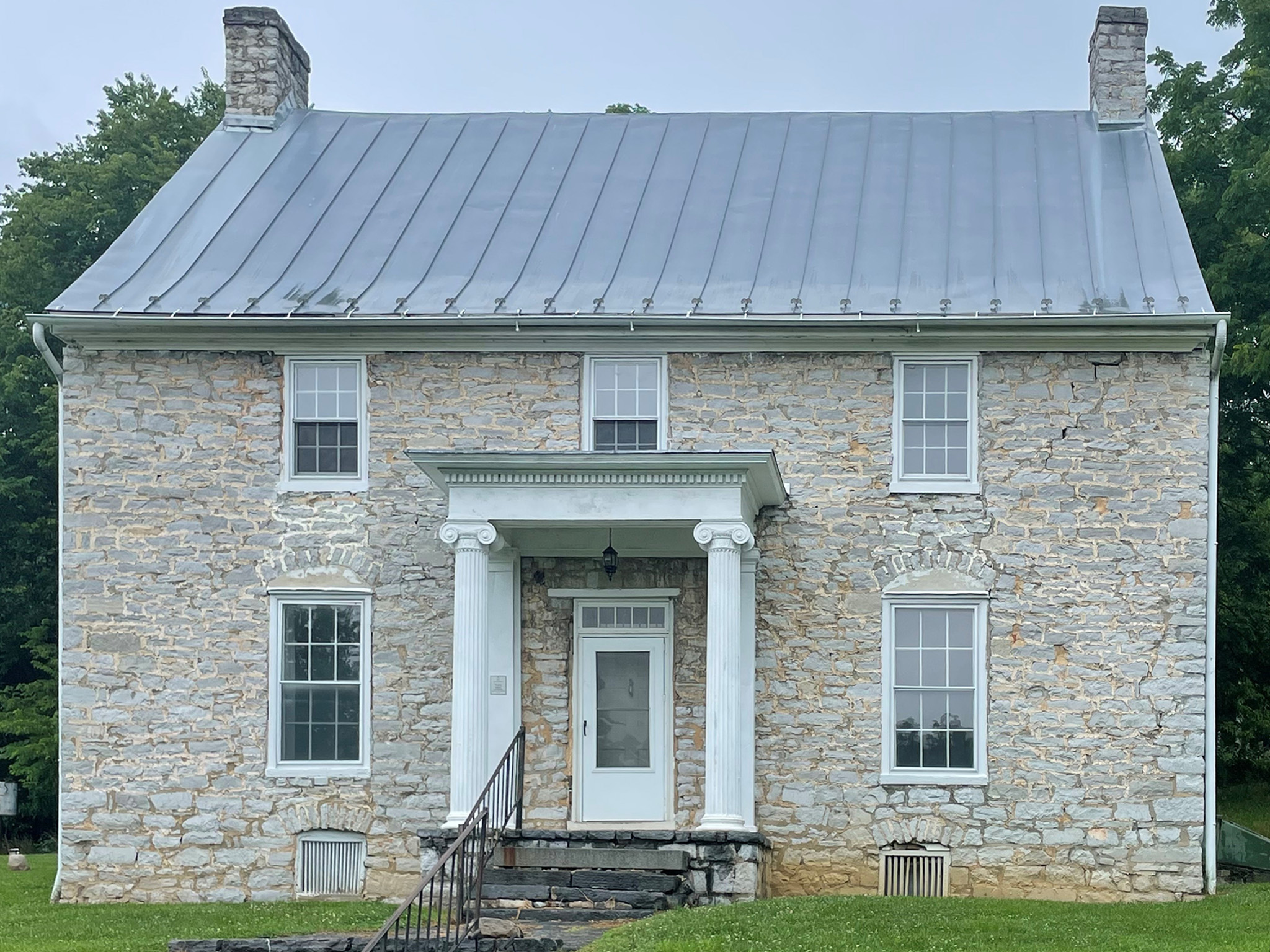
Fort Bowman, also known as Harmony Hall, is a two-story rectangular limestone structure built in a hybrid English-German flurkuchenhaus style common to settlers of southwestern Pennsylvania where the building family originated. The name "Fort Bowman" is anachronistic, created as part of Colonial Revival mythmaking in the 1930s when the house was a tourist attraction and was said to have been built in 1753 by settler George Bowman as a fortress against hostile Native American attacks during the French and Indian Wars. However, dendrochronology of wood samples throughout the house revealed an actual construction date of c.1769-1770, placing the construction both after the conflict and after George Bowman's death. In reality, the house was likely built by George's widow, Mary Bowman, and her sons as part of the southward movement of Pennsylvania German settlers into the Shenandoah Valley. The Bowman family continued to occupy the site into the mid-19th century, when the house passed to the Hinkins family who maintained the property until its donation to the nearby Belle Grove historic site in 1990. The prominent neoclassical porch on the front of the house was added c.1925-1935 after being salvaged from a demolished 19th century manor in Richmond. While the house's history is likely not as dramatic as once thought, the building nevertheless has much to teach about vernacular construction and placemaking in the Shenandoah Valley through the early years of the 20th century.
Archway Preservation personnel assisted in developing a preservation plan for the site through on-site surveying of the masonry, including extracting and testing nearly a dozen mortar samples to better aid in understand changes to the structure over time.
Photo Credit: Project Photo
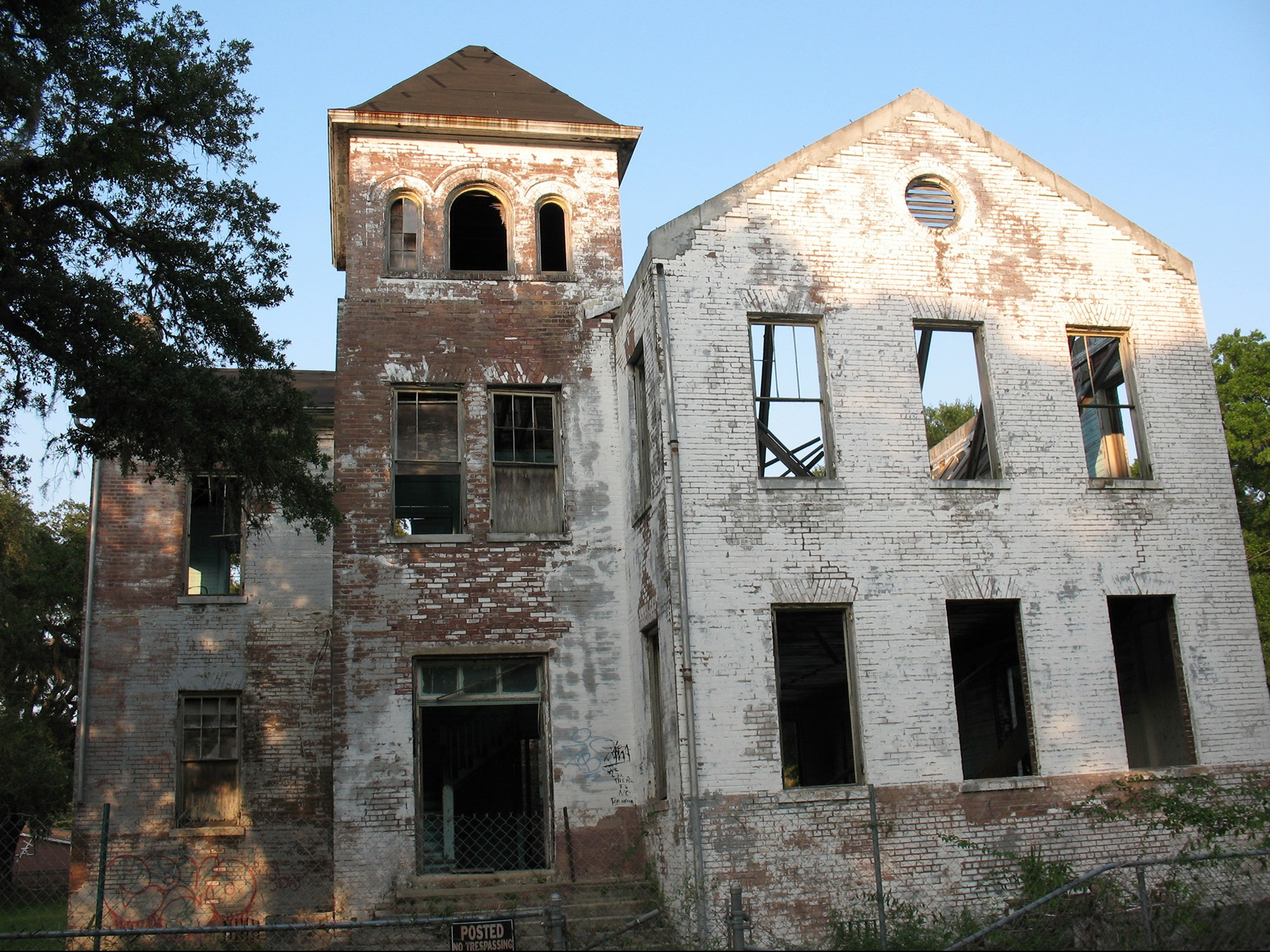
The St. Benedict the Moor School was established in 1898 in the Lincolnville neighborhood of St. Augustine by the Sisters of St. Joseph. The school catered to Black students in the area who were disenfranchised by the school system of the time and was the first school specifically for African Americans in Florida. Funding for the building was provided by St. Katherine Drexel, a Philadelphia heiress and Catholic nun who throughout her life devoted considerable resources to meeting the needs of underprivileged populations of African and Native Americans. In 1916, three nuns were arrested for violating laws forbidding White teachers from instructing Black students. However, courts ruled that the law did not apply to religious schools and they were released soon after. During the Civil Rights era, Martin Luther King Jr. used the building as a meeting house to plan marches in St. Augustine with other Civil Rights leaders in the area. Following the desegregation of Florida schools, enrollment dropped and the building was eventually closed, falling into abandonment and decay. Today, the Sisters of St. Joseph are managing a restoration campaign to resurrect the building from ruin and adaptively reuse it as the St. Joseph Neighborhood Center.
Archway Preservation personnel assisted in the masonry restoration phase of the building project through testing of mortar and historic masonry units to determine appropriate repair and replacement materials.
Photo Credit: Project Photo
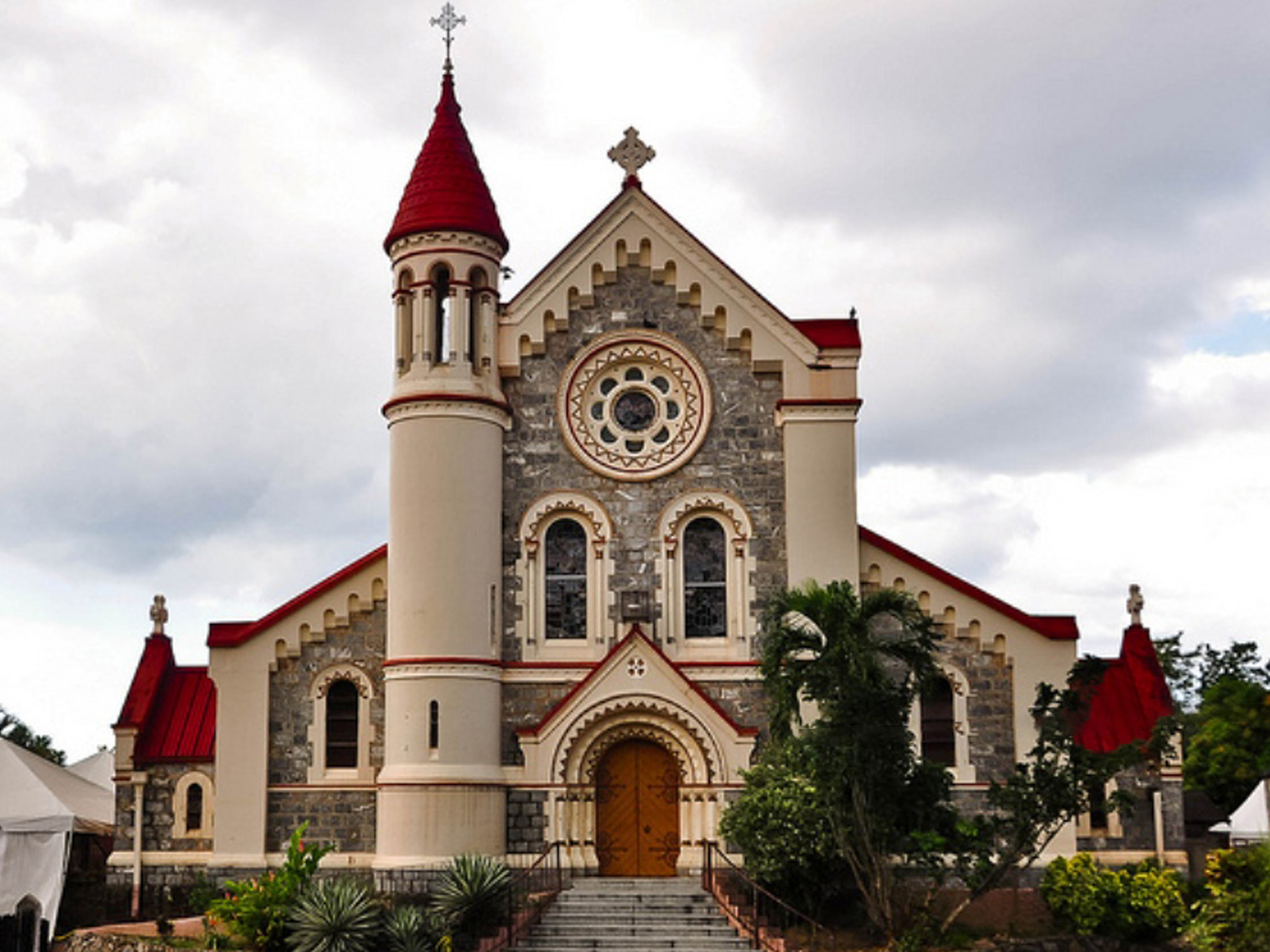
Built on land donated to the Catholic Church by Vincent Jean Baptiste's will in 1866, the site originally hosted a small church school and chapel. In 1897, under the guidance of Fr. Vincent Sutherland planning and fundraising began on the present building. Designed in Romanesque style by the Irish firm of Ashlin and Coleman, the actual construction was completed by builder George Brown out of local blue limestone and finished in 1902. Despite being completed and dedicated, the Archbishop Patrick Vincent Flood could not actually consecrate the building as it still had an outstanding debt of $7000 from its $20,000 cost. By 1997, when it was discovered that the church had never been consecrated, other debts existed further delaying consecration, which is unusual for an active historic church. In 2010 due to structural and safety issues, St. Francis was closed to the public. The parish continued to worship both in the parish pastoral center and in tents set up outside the church. Restoration efforts began in 2021 and are ongoing. The church is listed on The National Trust of Trinidad and Tobago's Heritage Asset inventory as a site of cultural and architectural significance.3
Archway Preservation personnel tested masonry, stucco, mortars, and cast stone architectural elements of the building as part of the ongoing restoration of the building.
Photo Credit: St. Francis Parish, Belmont, photograph, St. Francis Parish, accessed June 29, 2022, https://stfrancisbelmont.com/st-francis-belmont-history/#wp-prettyPhoto[24]/0/.
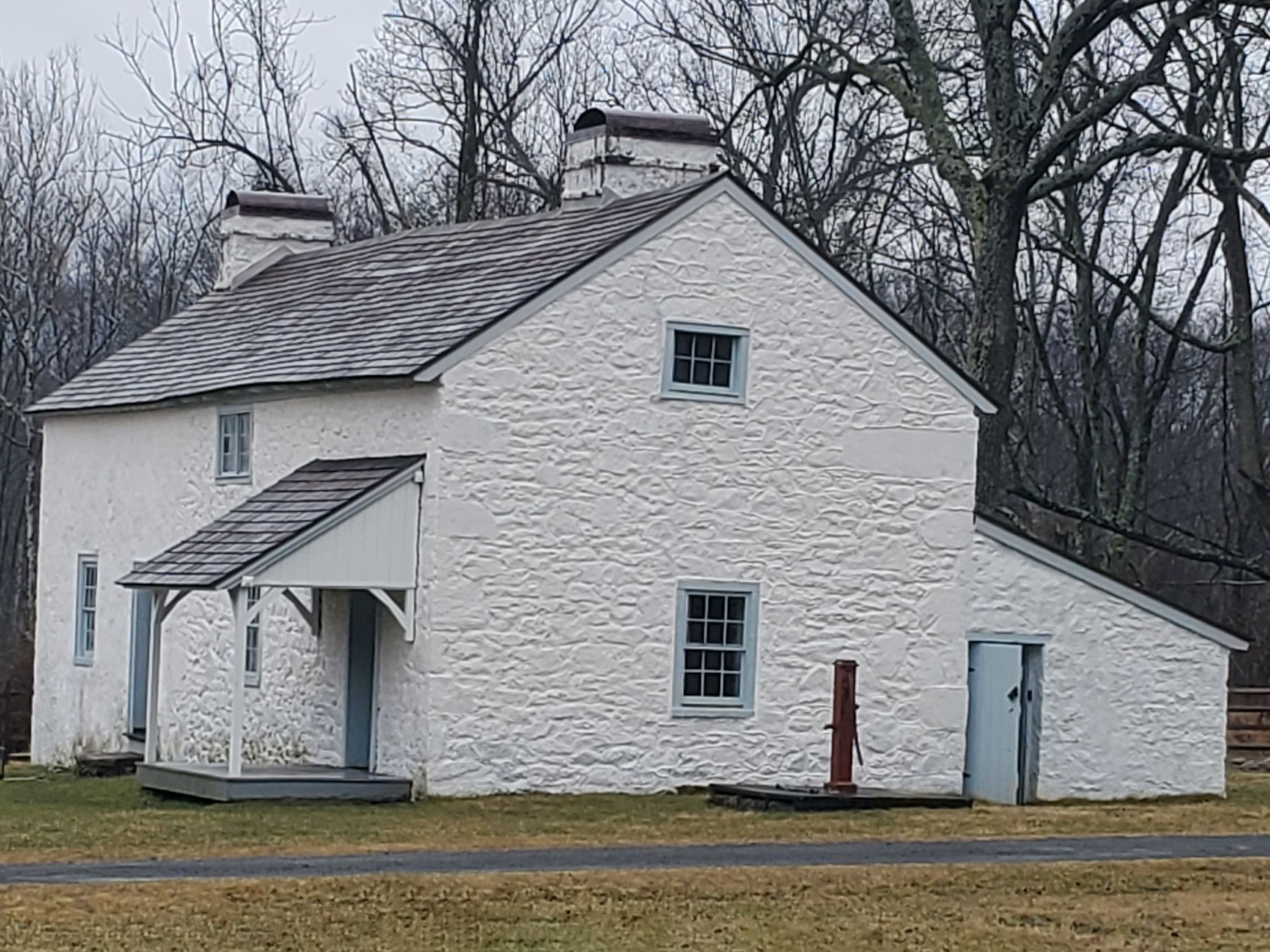
The Boarding House is a vernacular stone structure constructed sometime between 1770 and 1830, though the exact date is uncertain. A one story storage area was added to the original two story building around 1850 to compensate for the structure's lack of a basement or attic. The house likely had stucco over its stone at one point, like most of the other stone buildings on the site. Though called a "boarding house" the original purpose of the dwelling is not clear as the name "Boarding House" does not appear before 1875 and records indicate boarders were not staying there before 1832. The building was partially restored in 1963.
Archway Preservation personnel tested existing mortar on the structure to make recommendations for sympathetic masonry repair materials. Other buildings on site were also part of this project, including the Thomas Lloyd House and Wagon Shed.
Photo Credit: Project Photo
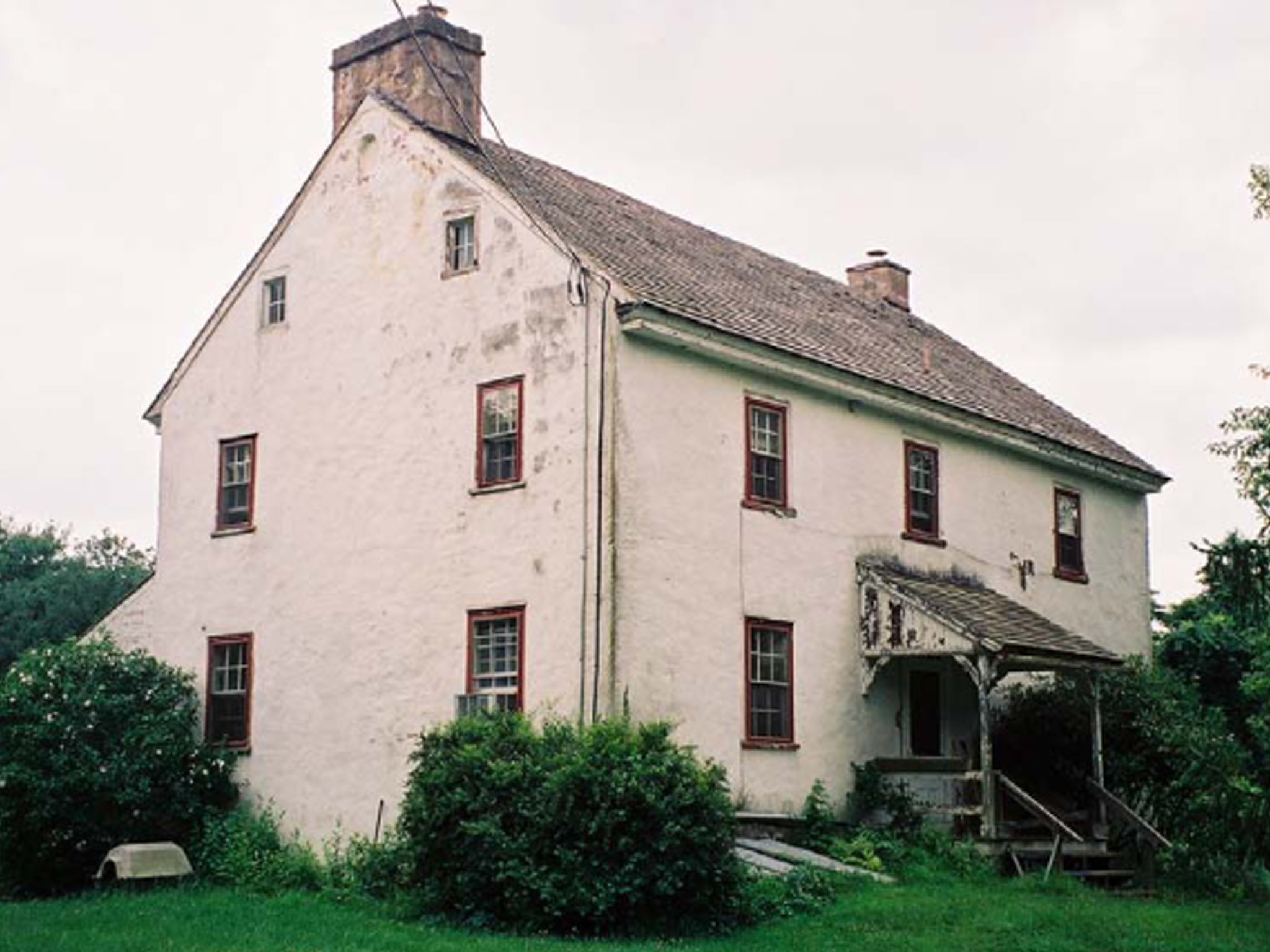
The Thomas Lloyd House is a vernacular stone structure built sometime before 1814 and enlarged in 1825. The structure was built by Thomas Lloyd II on land he inherited from his father Thomas Lloyd I. Like most buildings from the same era on the property, the house was likely originally stuccoed. When Lloyd II passed, his son David Lloyd inherited the house. The interior of the building was modernized in the 1960s and became used as a private residence rental unit, with proceeds from the rental being used in the upkeep of the house itself.
Archway Preservation personnel tested existing mortar on the structure to make recommendations for sympathetic masonry repair materials. Other buildings on site were also part of this project, including the Thomas Lloyd Wagon Shed and the Hopewell Furnace Boarding House.
Photo Credit: "Figure 10," 2004 from Robinson & Associates and Architrave P.C. Architects, “Hopewell Furnace National Historic Site Historic Resource Study,” Historic Resource Report (Washington, DC: US Department of the Interior, National Park Service, December 1, 2004), 54.
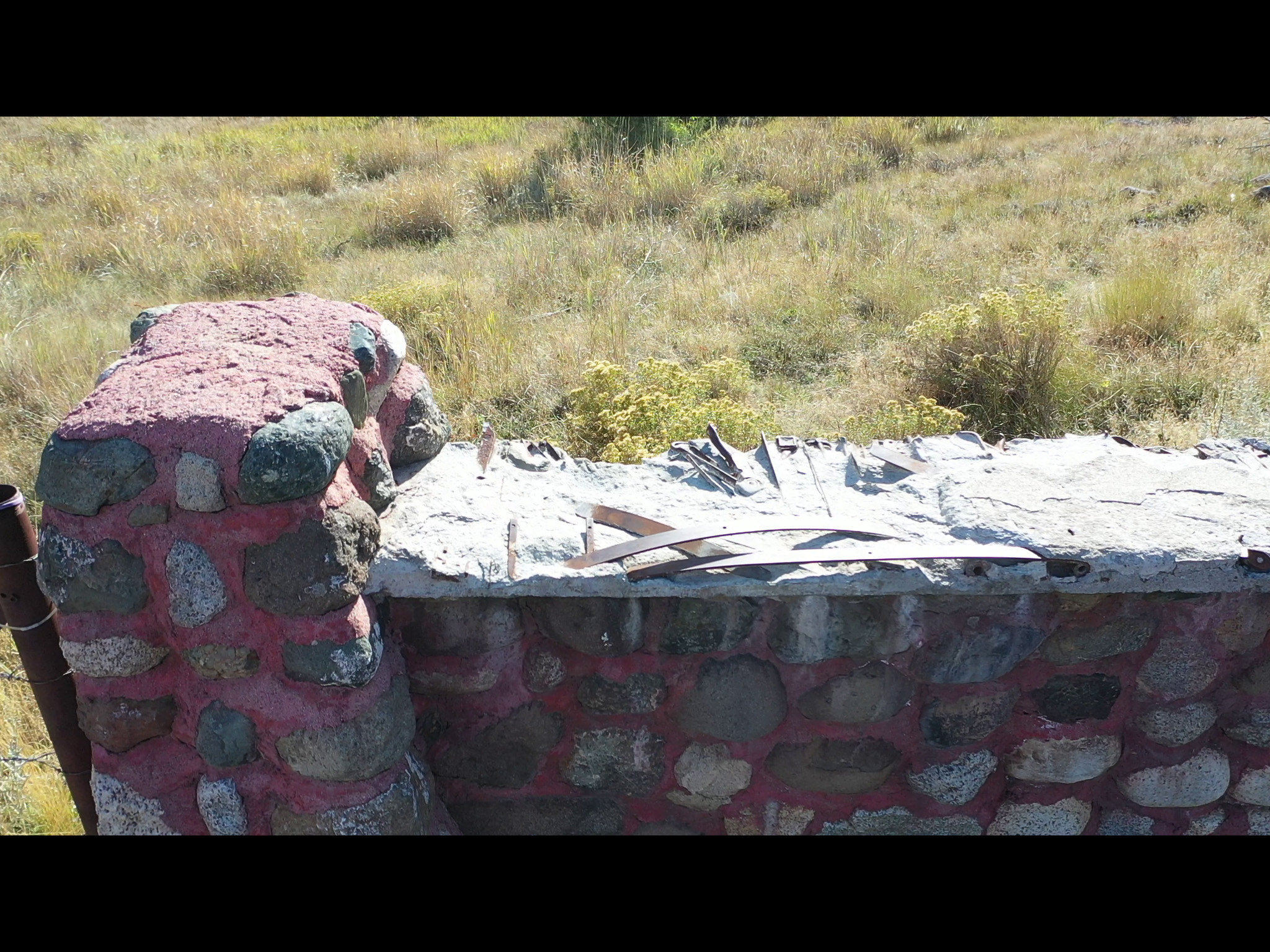
The Chief Joseph Cemetery is a memorial site dedicated to Nez Perce leader Old Chief Joseph. The site sits alongside Lake Wallowa, an important location for the Nez Perce native peoples. In 1863, Old Chief Joseph (Tiwi-teqis) refused to sign a treaty relocating his people to the Nez Perce reservation. For the next decade, Old Chief Joseph and later his son Young Chief Joseph (Hinmuuttuu-yalatlat) continued to resist, eventually being given special dispensation to stay by US President Ulysses S. Grant in 1873. The arrangement only lasted two years before Brig. Gen. Oliver Otis Howard attempted to force the Natives off the land in 1876, resulting in a significant regional conflict known as the Nez Perce War. When Old Chief Joseph died in 1871, he was buried near a fork in the Lostine and Wallowa Rivers. Unfortunately, following the relocation of the Nez Perce, settlers desecrated the grave, eventually exhuming the Chief's skull in 1886 and displaying it in a dentists office in Boise, Idaho. In 1923, Oregon historian J.H. Horner received permission from the Nez Perce to exhume the remains of Old Chief Joseph's body and reinter it at the present cemetery site. The area was named a National Historic Landmark in 1985. In 1939, the Civilian Conservation Corps, using workers from the native Umatilla people, constructed a wall around the cemetery site of coursed boulders. The wall was mortared with sections of red, white, and yellow mortar representing the Umatilla's medicine wheel and capped with poured concrete inset with tools for strength. In 2020, a team led by the National Park Service began a process of cleaning, stabilizing, and repointing the wall. The project was funded by the Federal Highway Administration and Oregon Department of Transportation in partnership with the local Umatilla, Colville, and Nez Perce tribes.
Archway Preservation personnel tested existing mortar on the structure to make recommendations for sympathetic masonry repair materials. Though mundane in appearance, the site posed a unique challenge as the mortar itself had sacred symbolism and the tools inset in the wall were potential deterioration mechanisms yet historically significant requiring in-situ retention.
Photo Credit: "Chief Joseph Memorial Gravesite Project," Oregon Department of Transportation, 2019. Used under CC-BY-2.0. https://flic.kr/p/2hU5FGG.
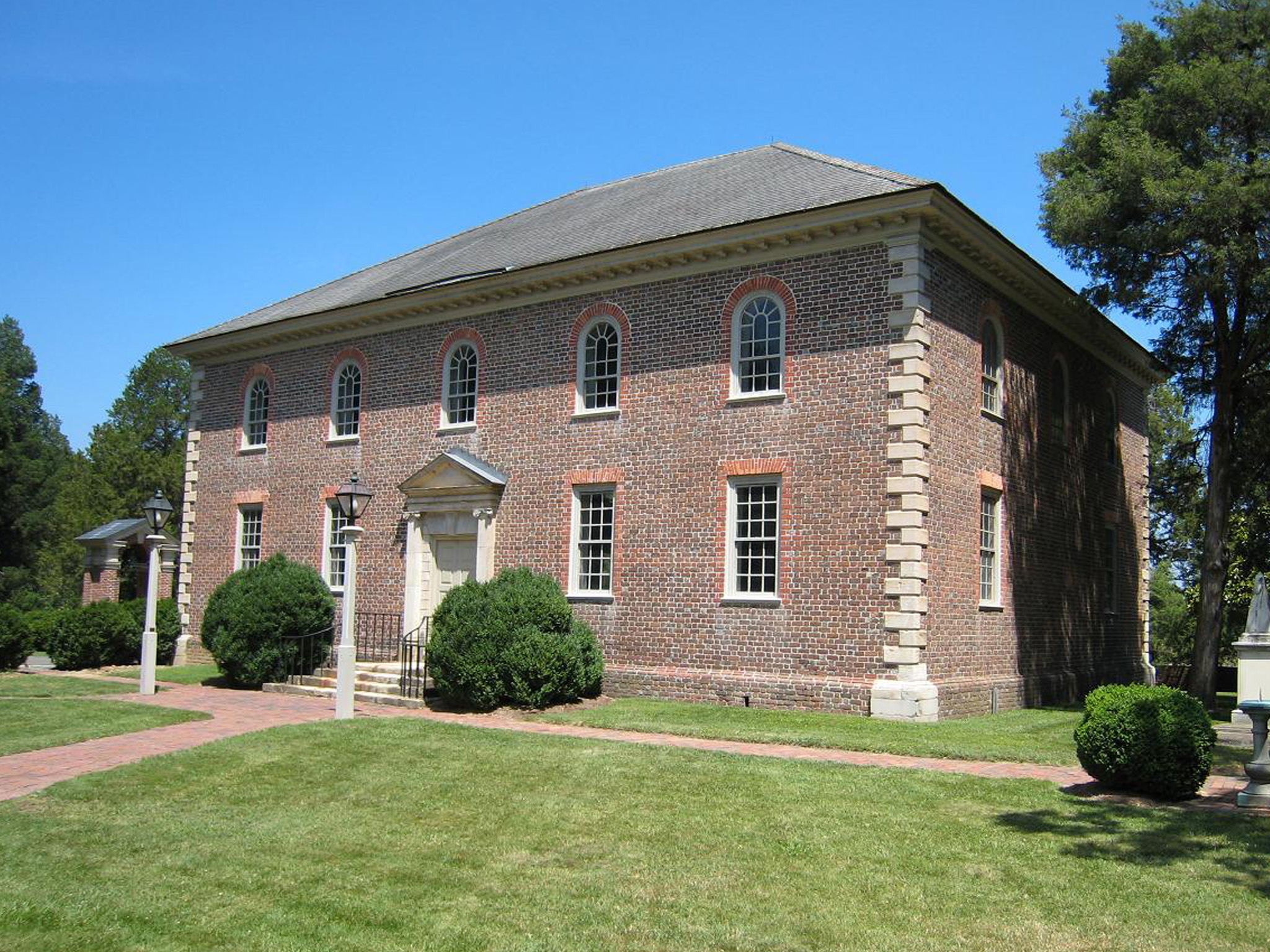
Pohick Church is a historic colonial American church completed in 1774 from designs purchased from James Wren. Six miles from Mount Vernon, the parish is known for its historic connection to the George Washington family. George Washington's father, Augustine, was an important figure in helping to establish the parish in the 1730s, and George Washington was a member of the vestry, having chosen the location of the church and aided in its construction. Enslaved laborers from area plantations, likely including Washington's Mount Vernon, contributed to the construction. The church was extensively renovated to celebrate Washington's 100th birthday in 1838 but was severely damaged during the Civil War after Union troops used its interior as a stable and exterior walls for target practice. Graffiti from this period is still visible on the walls in some parts of the building. Between 1901-1916 a restoration restored the appearance of the building to how it was believed to look during Washington's time and the site is still interpreted largely through the lens of the late 18th century today. The structure was added to the National Register in 1969.
Archway Preservation personnel tested existing mortar on the structure. The project was unique in that the original specifications for the building were available and included the original mortar recipe, an unusually binder-rich, sand-deficient mortar containing twice as much lime as normal. Testing confirmed that the mortar on the building could plausibly conform to the original recipe.
Photo Credit: "Pohick church building 84," 2008, Stephanie D. Used under CC BY-NC-ND 2.0. https://flic.kr/p/59FZjm.
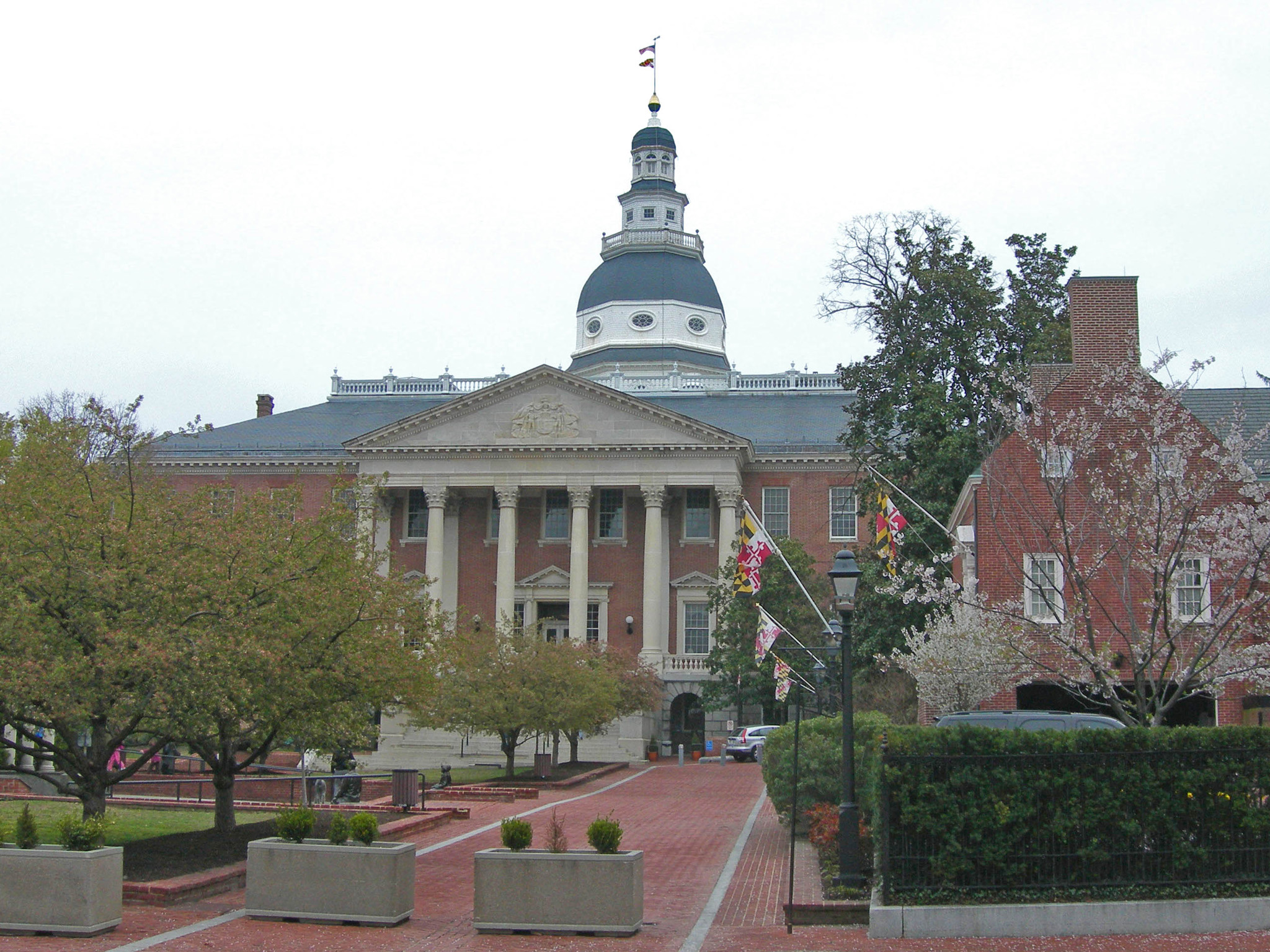
The Maryland State House is an imposing brick building designed by British-born Annapolis architect Joseph Horatio Anderson in Georgian style with Adamesque details. Constructed between 1772-c.1779, the original dome of the structure was replaced between 1785 and 1789 with the present larger octagonal one. In 1858, the building was expanded to accommodate an increased Delegate Chamber size. In 1902, the 1858 expansion and an annex for the State Library built in 1886 were removed to expand the building again to its current size. The State House was home to several important events in early American history as it briefly served as the American capitol building near the end of the Revolution. It was here that the Continental Congress ratified the Treaty of Paris, formally ending the Revolutionary War in 1783. A few weeks before, George Washington resigned his commission as commander-in-chief of the military, setting aside his latent military power to return to civilian life and, in so doing, setting a precedent for civilian control of the American government and military. Following its return to state use in 1784, the building continued to play an important role in the governance of Maryland. It remains in use today, making it the oldest continuously used seat of a state government in the US.
Archway Preservation personnel tested existing mortar on the structure to develop recommendations for sympathetic replacement materials.
Photo Credit: "Maryland State Capitol", Jimmy Emerson, 2011. Used under CC BY-NC-ND. https://flic.kr/p/9Ajs5j.
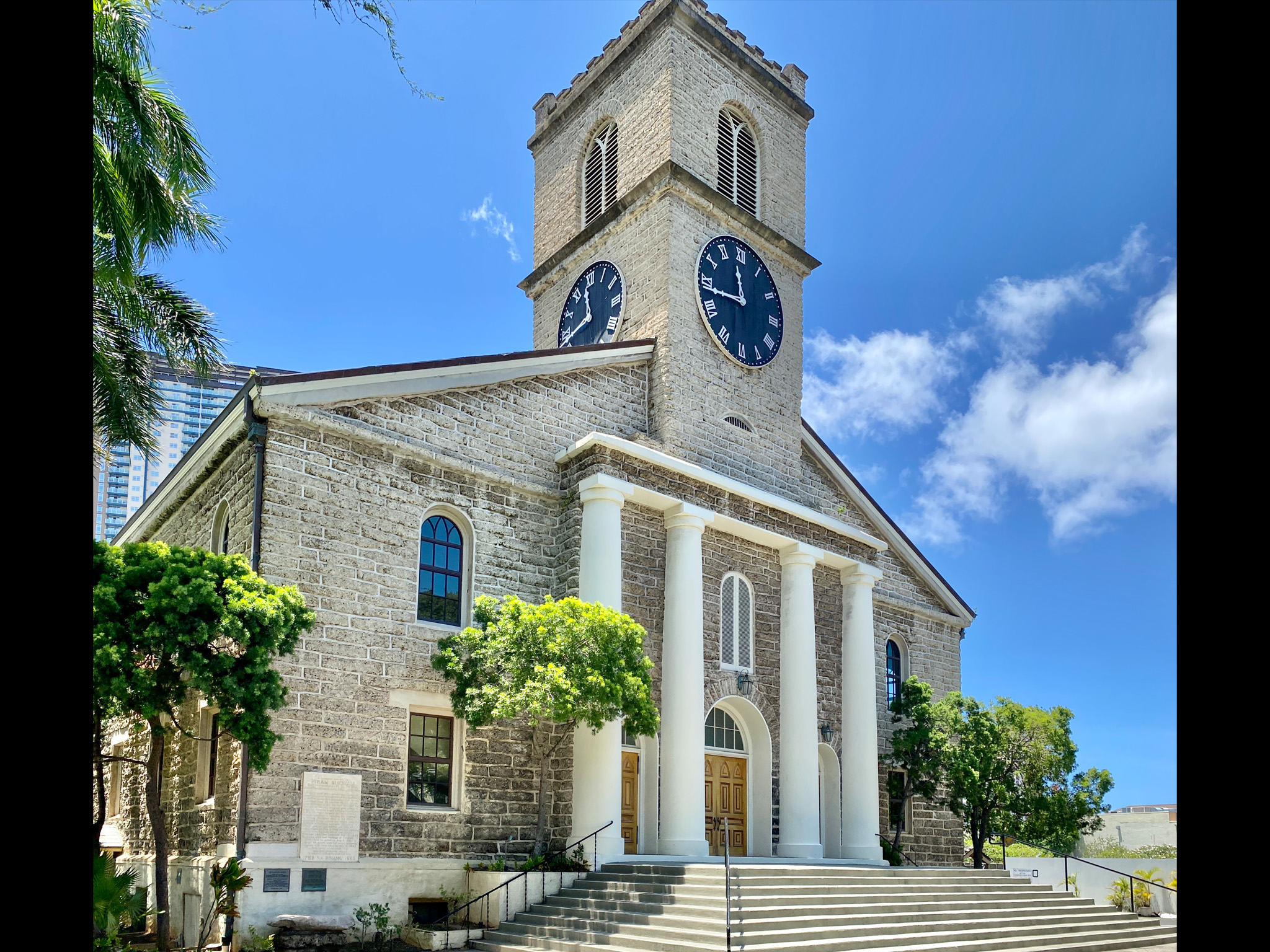
The Kawaiaha'o Church is a significant coral stone Mediterranean Revival styled building that is sometimes called "The Westminster Abbey of Hawaii" or "The Mother Church of Hawaii." A house of worship had been present on the site going back as far as 1820, when missionaries to the islands operated a small one room meeting house in a thatch cabin. In 1836 King Kamehameha III ordered the construction of the present stone building. Designed by Rev. Hiram Bingham, the stones for the structure were quarried by divers from a reef off the southern shore of Oahu and dragged ashore. Completed in 1842, King Kamehameha III presided over its dedication and decreed the church land parcel should be granted to the congregation. Following its opening, the building became an important meeting place for the Hawaiian Kingdom's government in both ceremonial and political functions. The current name of the church was first used formally in 1862, before which the structure was known as, amongst other names, the "Stone Church", "Honolulu First Church," or "The King's Chapel." The building was declared a National Historic Landmark in 1962 and added to the National Register of Historic Places in 1966. The church congregation is still active in the building today holding worship services regularly in both English and Hawaiian.
Archway Preservation personnel tested a series of stone cores from the building to evaluate the condition of the coral stone and make recommendations on compatible modern repair materials.
Photo Credit:"Kawaiaha'o Church, Punchbowl Street, Honolulu, HI'", 2022, Warren LeMay. Used under CC BY-SA 2.0. https://flic.kr/p/2nA8CXU.
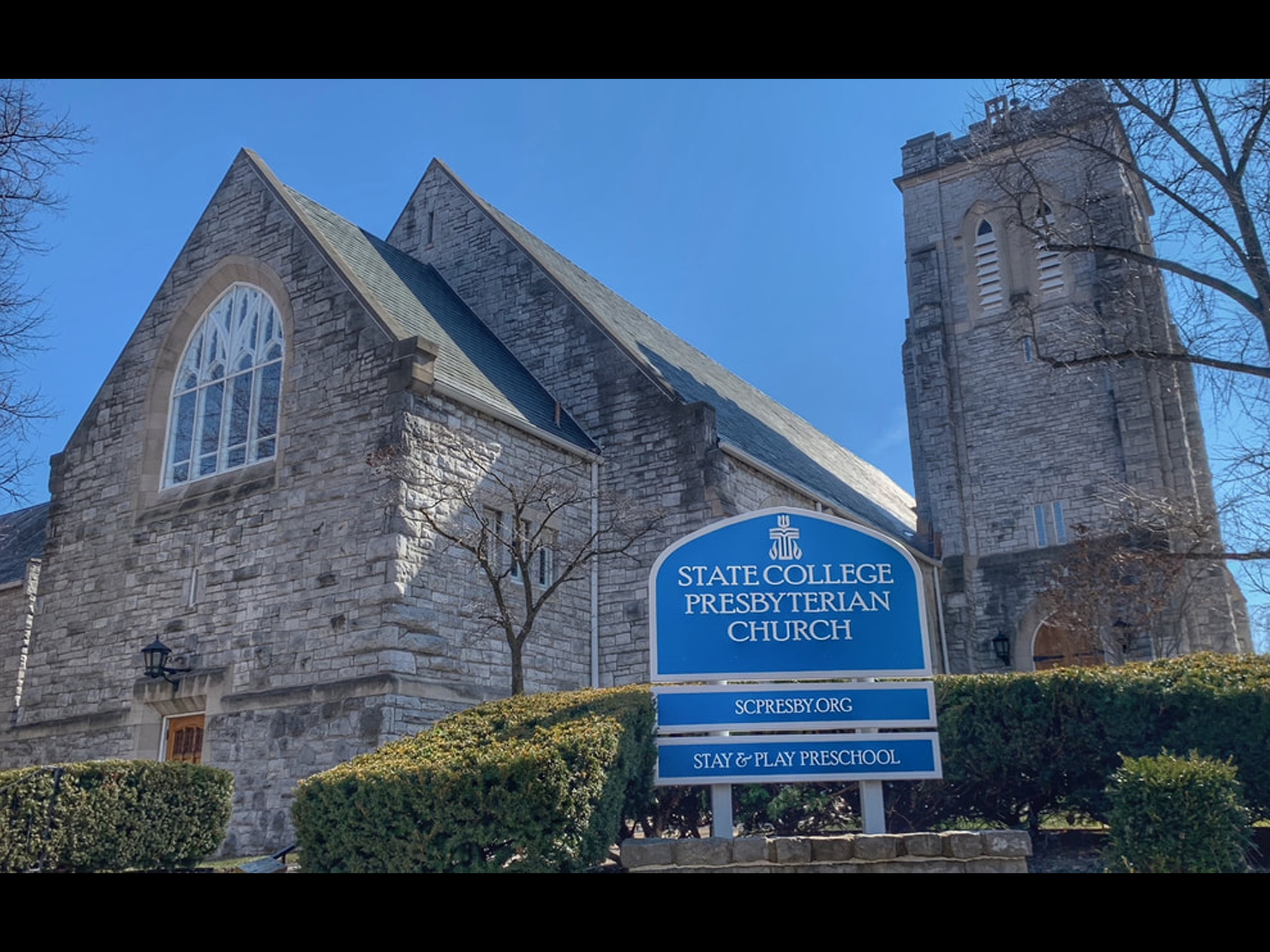
State College Presbyterian Church was founded in 1890 by an initial congregation of 58 who had transferred to the then tiny village of State College from Lemont. By 1912, the congregation had grown to the extent that a new building was needed. Funded by a combination of donations from the community and denomination, the congregation constructed a large native limestone structure in Gothic style completed in 1913. The congregation expanded the building with a religious education wing in 1938 (completed 1941) and an education annex in 1992 (completed 1994). Multiple other exterior and interior changes also happened during the mid-20th century.
Archway Preservation personnel tested mortar samples from the building to make recommendations on repointing mortars.
Photo Credit: Project photo provided by client
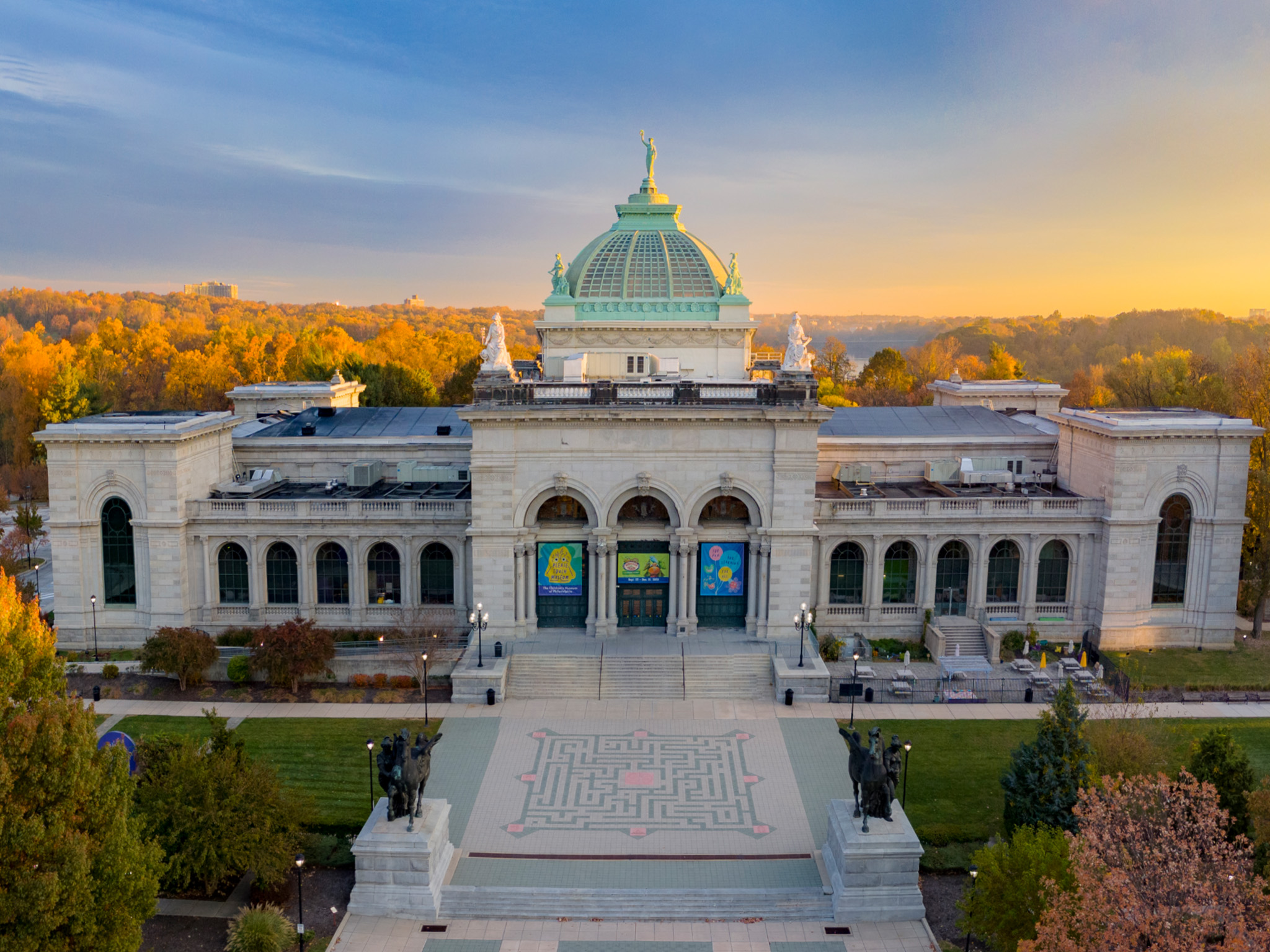
The Please Touch Museum is housed within Memorial Hall, the only major structure surviving from the 1876 Centennial Exposition. The building was designed by Herman J. Schwarzman in Beaux-Arts style and built between 1874-1876 at a cost of $1,564,398.56. Upon completion, President Ulysses S. Grant accompanied by both houses of Congress, the US Supreme Court, and Emperor Pedro II of Brazil cut the ribbon. During the exposition, Memorial Hall served as an art gallery, a function it continued to serve until the completion of the Philadelphia Museum of Art in 1928. Following disuse as a gallery, the building went through multiple different usages including offices for the Fairmont Park Commission, a police station, an exhibit hall, art storage, and a community gathering space. The hall gained renewed attention in 1976 for the bicentennial and was added to the National Register of Historic Places at that time. By 2000, the building was largely disused and disrepair. Seeking to rehabilitate the space, the Fairmont Parks Commission signed an 80 year lease with the Please Touch Museum, an experience-focused children's museum founded in 1976.1 The museum was successful and ever expanding, necessitating several moves over the next 25 years. In 2002, Memorial Hall was proposed as their next location. In 2005, the museum began adapting the space restoration began. The museum officially opened in 2008 and has become a celebrated Philadelphia institution, consistently ranking amongst the top children's museums in the country.
Archway Preservation personnel tested bedding mortar and grout samples from the deteriorating marble floor tiles in the rear vestibule. The composition of the mortar was an unusual mix which was contributing to swelling that was cracking and debonding the marble tiles. From the analysis, a replacement mortar and grout for installation were developed for the ongoing restoration of the floor.
Photo Credit: "FairmontPark-2", 2023, 123 Chroma Pixels. Used under CC BY-SA 2.0. https://flic.kr/p/2pdGJQG.
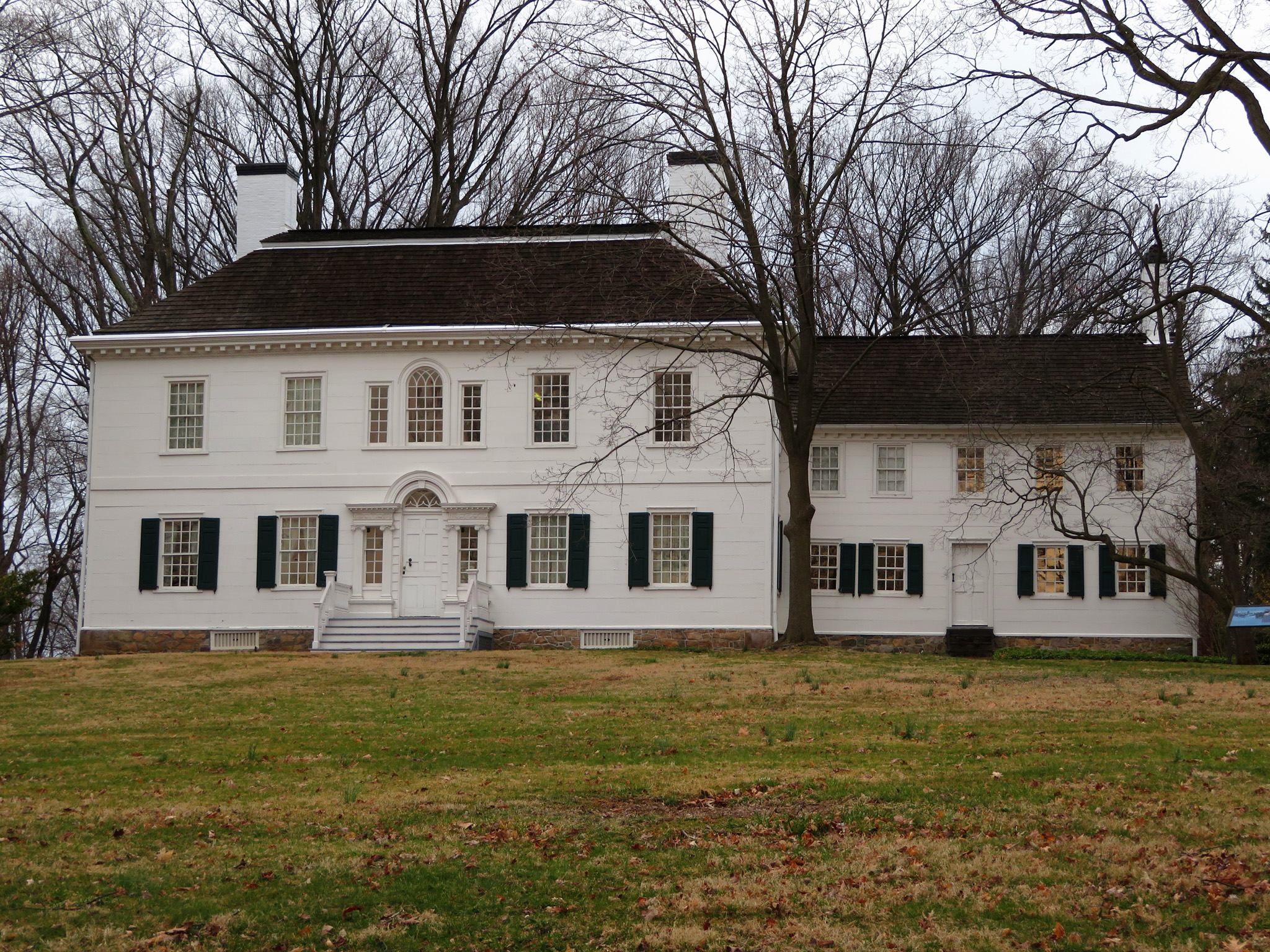
Built between 1772-1774 for Col. Jacob Ford Jr., the Ford Mansion is a Georgian structure with clear Adamesque influences that would later define the Federal Style. Ford was a local iron and gunpowder manufacturer who became leader of the Morris County Militia. In 1777, the Delaware Light Infantry quartered at his home, and later in 1779, Ford's widow offered her home formally to George Washington and his staff. Washington transformed the house into his headquarters, which he occupied from December 1779 to June 1780. The mansion ended up hosting many key leaders in the Revolution.
Archway Preservation personnel tested mortars from several Morristown Historical Park structures to help develop a repointing plan for the structures.
Photo Credit: "Ford Mansion", March 31, 2019, Ken Lund. Used under CC BY-SA 2.0. https://flic.kr/p/24LTbRZ.
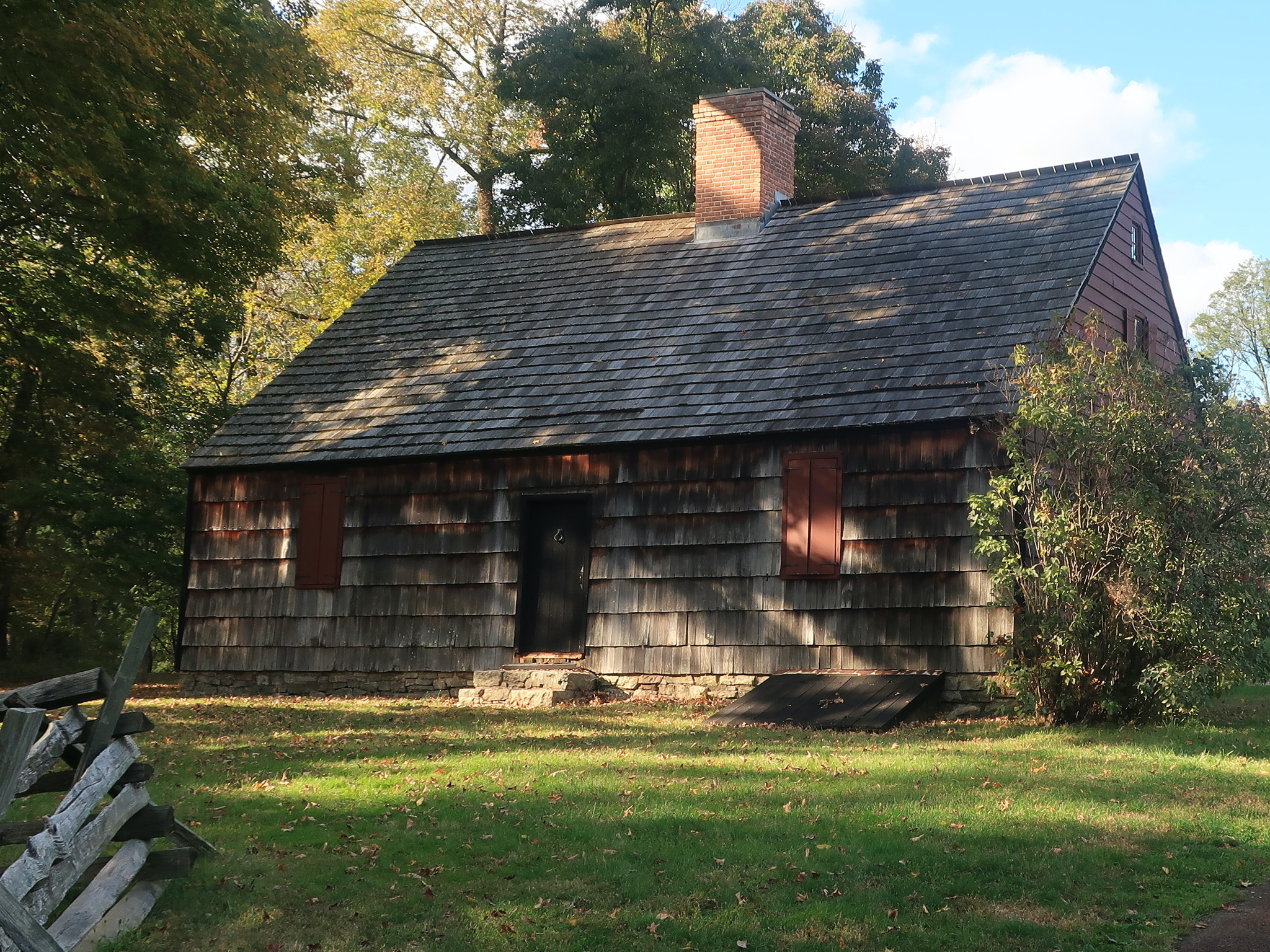
Located in Jockey Hollow several miles away from the main park, the Wick House was built circa 1750 by Henry Wick in a Cape Cod style unusual in the region. During the Revolution, Jockey Hollow was the encampment of several brigades of American troops. The house itself acted as the headquarters for Maj. Gen. Arthur St. Clair from 1779-1780.
Archway Preservation personnel tested mortars from several Morristown Historical Park structures to help develop a repointing plan for the structures.
Photo Credit: "Wick House", October 3, 2020, Wally Gobetz. Used under CC BY-NC-ND 2.0.https://flic.kr/p/2jSXVfx.
Notable Projects
| Project Name (Alphabetical Order) | Project Location |
|---|---|
| 930 on Broadway (fmr. Consolidated Car Heating Company) | Albany, NY |
| 1859 Masonic Lodge and General Store | Port Royal State Historic Park (Adams, TN) |
| Abraham Lincoln Birthplace Memorial | Hodgenville, KY |
| Accomack County Courthouse | Accomack, VA |
| Alexander Randall Double House | Annapolis, MD |
| Alumni Hall | SUNY Oneonta (Oneonta, NY) |
| Asbury United Methodist Church | Easton, MD |
| Bat Flight Amphitheater | Carlsbad Caverns National Park (Carlsbad, NM) |
| Bird House | Valley Forge National Historic Park (Valley Forge, PA) |
| Boarding House | Hopewell Furnace National Historic Site |
| Boston Fire Alarm Office | Boston, MA |
| Bound Brook Station | Bound Brook, NJ |
| Brown Chapel African Methodist Episcopal Church | Selma, AL |
| Building 4 | Charlestown Shipyard (Boston, MA) |
| Building 11 | Norfolk Naval Shipyard (Portsmouth, VA) |
| Building 18 | Portsmouth Naval Shipyard (Kittery, ME) |
| Cabell County Courthouse | Huntington, WV |
| Capt. Isaac Emerson Mansion | Baltimore, MD |
| Carl Sandburg House | Carl Sandburg National Historic Site (Flat Rock, NC) |
| Charlotte-Genesee Lighthouse | Rochester, NY |
| Chief Joseph Cemetery Wall | Nez Perce National Historical Park (Joseph, OR) |
| Christ Episcopal Church | Reading, PA |
| Christ Evangelical Lutheran Church | Elizabethtown, PA |
| Churchwell Lofts | Jacksonville, FL |
| Clayton (The Frick Mansion) | Pittsburgh, PA |
| Craven County Courthouse | New Bern, NC |
| Cresson Hall | Lincoln University (Lincoln University, PA) |
| Crisp Memorial Presbyterian Church | Baltimore, MD |
| Custodian's Residence | Devil's Tower National Monument (Devil's Tower, WY) |
| Danville National Cemetery | Danville, VA |
| Delaware Valley Job Corps Center (fmr. St. Joseph's Seraphic Seminary) | Callicoon, NY |
| Dumbarton-Robles House | Washington, DC |
| First Baptist Church of Germantown (Polite Temple) | Philadelphia, PA |
| First Presbyterian Church | Charleston, WV |
| Fond du Lac Lighthouse | Lakeside Park (Fond du Lac, WI) |
| Ford Mansion | Morristown Historical Park (Morristown, NJ) |
| Fort Bowman | Strasburg, VA |
| Fort Hunt | Alexandria, VA |
| Four Seasons Private Residences (fmr. West Heating Plant) | Washington, DC |
| Francis Land House | Virginia Beach, VA |
| French Ambassador's Residence | Washington, DC |
| Gray Cottage | Goodwood Museums & Gardens (Tallahassee, FL) |
| Guerin House | Morristown Historical Park (Morristown, NJ) |
| Hagerstown Armory | Hagerstown, MD |
| Hampstead | New Kent, VA |
| Hana-Maui Resort | Hana, HI |
| Horse Shoe Trail West | Valley Forge National Historic Park (Valley Forge, PA) |
| Immanuel Evangelical Lutheran Church | Terre Haute, IN |
| Joel Solomon Federal Courthouse | Chattanooga, TN |
| John Q. Adams Elementary School | Washington, DC |
| Kawaiaha'o Church | Honolulu, HI |
| King David Kalakaua Building | Honolulu, HI |
| Kingston High School | Kingston, NY |
| Kirkpatrick Fountain | Kingston, ON |
| Long Island National Cemetery | Farmingdale, NY |
| Mackay Estate Gate Lodge | Roslyn, NY |
| Mansfield Monument | Antietam National Battlefield (Washington County, MD) |
| Martin Luther King Jr. Federal Building | Atlanta, GA |
| Maryland State House | Annapolis, MD |
| Maurice Stephens House | Valley Forge National Historic Park |
| Maynard Burgess House | Annapolis, MD |
| Melvin Price Federal Building | East St. Louis, IL |
| Memorial Hall (Please Touch Museum) | Philadelphia, PA |
| Museum of Cape May County Storage Building | Cape May Court House, NJ |
| Museum Place (fmr. Randall Junior HS) | Washington, DC |
| Natchez Trace Cabins | Natchez Trace State Park (Wildersville, TN) |
| Natchez-Vidalia Bridge Toll Plaza | Natchez, MS |
| New Bern City Hall | New Bern, NC |
| New York State Armory (Kingston) | Kingston, NY |
| NIST Stone Test Wall | US National Institute of Standards and Technology (Gaithersburg, MD) |
| Officers' Quarters (1,3,11,23-27) | Fort Leslie J. McNair (Washington, DC) |
| Old Parish House | College Park, MD |
| Old Fort Retaining Wall | New Smyrna Beach, FL |
| Olean Armory | Olean, NY |
| Orville Jackson House | Eagle, ID |
| Our Lady of the Angels Catholic Chapel | Catonsville, MD |
| Oxoboxo Lofts (fmr. Uncasville Manufacturing Co.) | Uncasville, CT |
| P&O Canal Bridge | Washington, DC |
| Pauli Murray Family Home | Pauli Murray Center for History & Social Justice (Durham, NC) |
| Pembroke Manor | Virginia Beach, VA |
| People's National Bank | Pulaski, NY |
| Philadelphia National Cemetery | Philadelphia, PA |
| Plymouth Congregational Church | Belmont, MA |
| Pohick Church | Lorton, VA |
| Point Iroquois Lighthouse | Brimley, MI |
| Pringle Hall | US Naval War College (Newport, RI) |
| Prisoner's Harbor Warehouse | Channel Islands National Park (Santa Cruz Island, CA) |
| Raleigh National Cemetery | Raleigh, NC |
| Richmond Hill | Germantown, NY |
| San Gabriel Mission | San Gabriel, CA |
| SEPTA Ardmore Station | Ardmore, PA |
| Sheriff's House | New Castle, DE |
| Sixth Mount Zion Baptist Church | Richmond, VA |
| Slade Hall | University of Vermont (Burlington, VT) |
| Soo Locks New Power Plant | Sault Ste. Marie, MI |
| St. Andrew's-by-the-Sea Episcopal Chapel | Rye, NH |
| St. Francis of Assisi Roman Catholic Church | Port of Spain, Trinidad & Tobago |
| St. Joseph Neighborhood Center (fmr. St. Benedict the Moor School) | St. Augustine, FL |
| State College Presbyterian Church | State College, PA |
| Stifel Fine Arts Center (Edemar Mansion) | Wheeling, WV |
| Stillwater Building | Northfield, NJ |
| Stirling's Barn | Valley Forge National Historic Park (Valley Forge, PA) |
| Tabernacle Missionary Baptist Church | Palm Beach, FL |
| The Pagoda | Reading, PA |
| The St. Regis Washington DC | Washington, DC |
| Thomas Brothers Country Store & Museum | Biglersville, PA |
| Thomas Lloyd House | Hopewell Furnace National Historic Site (Elverson, PA) |
| Thomas Lloyd Wagon Shed | Hopewell Furnace National Historic Site (Elverson, PA) |
| Truman Station (Missouri Pacific Depot) | Independence, MO |
| Twinlights | Highlands, NJ |
| Tyler County Jail | Middlebourne, WV |
| United Way of Greater Rochester (fmr. Anderson Hall) | Rochester, NY |
| Upshur County Jail | Buckhannon, WV |
| Vander Ende-Onderdonk House | New York, NY |
| Waggonseller Barn | Valley Forge National Historic Park (Valley Forge, PA) |
| Westervelt-Lydecker House | Clifton, NJ |
| Wick House | Morristown Historical Park (Morristown, NJ) |
| Winnebago County Courthouse | Oshkosh, WI |
| Worthington Farm | Monocacy National Battlefield (Frederick, MD) |
| Yaquina Head Lighthouse | Newport, OR |